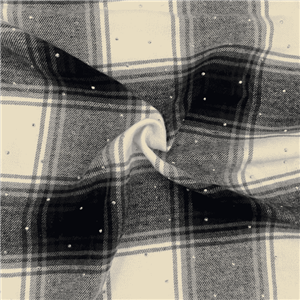
फ्लैनल फैब्रिक किस चीज से बना होता है?
फ्लैनल सामग्री की गुणवत्ता की पहचान कैसे करेंउच्च गुणवत्ता वाले फलालैन कपड़े की पहचान उसके "loft" और वजन से की जा सकती है।"loft" और घनत्व का परीक्षण
प्रीमियम फ़्लैनेल फ़ैब्रिक घना और ठोस महसूस होना चाहिए। आप फ़ैब्रिक की सघनता की जाँच करके इसका परीक्षण कर सकते हैं। यदि आप फ़ैब्रिक को प्रकाश में पकड़ते हैं और बुनाई में महत्वपूर्ण अंतराल देखते हैं, तो यह संभवतः निम्न-गुणवत्ता वाला फ़्लैनेल है।
अच्छी गुणवत्ता वाले बुने हुए फलालैन कपड़े की बुनाई सघन होनी चाहिए और कम से कम एक तरफ एकसमान, मुलायम रोएँ होने चाहिए।
लेबल की जाँच करना: आपको मिश्रण के कितने प्रतिशत की तलाश करनी चाहिए?
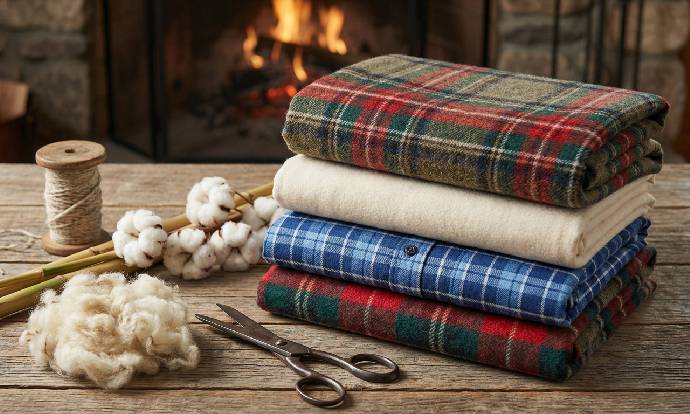
फाइबर सामग्री का लेबल हमेशा पढ़ें। हालांकि पॉलिएस्टर मिश्रण टिकाऊपन बढ़ा सकते हैं, फिर भी उच्च गुणवत्ता वाले फ्लैनल में सांस लेने की क्षमता बनाए रखने के लिए कम से कम 60-80% प्राकृतिक फाइबर (ऊन या कपास) होने चाहिए। यदि फ्लैनल का कपड़ा 100% सिंथेटिक है, तो यह गंध को रोक सकता है और प्राकृतिक विकल्पों की तरह नमी सोखने के गुण नहीं रखता है।
फाइबर के प्रकार के आधार पर देखभाल संबंधी निर्देश
आपके फ्लैनल कपड़े की जीवन अवधि काफी हद तक इस बात पर निर्भर करती है कि आप उसमें इस्तेमाल होने वाले विशिष्ट रेशों के साथ कैसा व्यवहार करते हैं।
ऊनी फलालैन:
आमतौर पर अत्यधिक सिकुड़न से बचने के लिए ड्राई क्लीनिंग या ठंडे पानी में बहुत हल्के हाथों से धोने की आवश्यकता होती है।
सूती फलालैन:
इसे मशीन में धोया जा सकता है, लेकिन इसे अत्यधिक गर्मी से दूर रखना चाहिए। गर्मी से रेशे कस जाते हैं और समय के साथ सतह चपटी हो जाती है।
सिंथेटिक मिश्रण:
ये कपड़े धोने के प्रति सबसे अधिक प्रतिरोधी होते हैं, लेकिन लंबे समय तक इस्तेमाल करने पर इनमें रोएँ निकलने की समस्या हो सकती है। फैब्रिक सॉफ़्टनर का उपयोग करने से सिंथेटिक रेशों की कोमलता बनाए रखने में मदद मिल सकती है।
निष्कर्ष: फ्लैनल खरीदने वालों के लिए सामग्री का ज्ञान क्यों महत्वपूर्ण है
फ्लैनल फैब्रिक किस चीज़ से बना है, यह समझने से आपको बेहतर खरीदारी के फैसले लेने में मदद मिलती है। भेड़ की ऊन की पारंपरिक गर्माहट से लेकर रिसाइकल्ड पॉलिएस्टर की आधुनिक सुविधा और सेल्यूलोज फाइबर की पर्यावरण-अनुकूलता तक, सामग्री ही इसके प्रदर्शन को निर्धारित करती है। कार्डेड यार्न की गुणवत्ता, फैब्रिक की सघनता और इस्तेमाल किए गए विशिष्ट टेक्सटाइल मिश्रण पर ध्यान देकर, आप यह सुनिश्चित कर सकते हैं कि आपके कपड़ों या घर की सजावट के लिए फ्लैनल फैब्रिक आराम और टिकाऊपन का सही संतुलन प्रदान करे। फ्लैनल फैब्रिक हमेशा से एक पसंदीदा विकल्प रहा है क्योंकि यह लगातार बदलता रहता है, यह साबित करता है कि कच्चे माल का सही मिश्रण एक साधारण बुनाई को सर्दियों के लिए सबसे ज़रूरी चीज़ में बदल सकता है।
To create the characteristic fuzziness of cotton flannel fabric, manufacturers use carded yarn. Unlike combed cotton, which removes short fibers to create a sleek surface, carded cotton retains these shorter fibers. During the brushing process, these short fibers are easily lifted, creating a dense, plush nap that significantly boosts the fabric's softness factor.
Pima vs. Standard Cotton: Does the cotton quality affect the final feel?
The quality of the raw cotton fiber directly impacts the longevity of the flannel fabric. Standard upland cotton is the most common, but premium versions use Pima or Egyptian cotton. These long-staple fibers result in a stronger woven flannel fabric that resists pilling and maintains its soft texture even after dozens of washes.
Synthetic and Blended Flannel: Durability Meets Affordability
In the modern textile industry, synthetic fibers play a crucial role in the evolution of flannel fabric. By utilizing textile blending, manufacturers can create fabrics that offer the best of both worlds: the comfort of natural fibers and the resilience of synthetics.
Polyester Infusions: Why manufacturers add synthetics for pilling resistance
Many modern flannel shirts are made from polyester blends. Adding polyester to a cotton or wool base increases the material's tensile strength and significantly improves its resistance to pilling. Furthermore, the use of recycled polyester has become a popular way for brands to offer more sustainable options without sacrificing the durability of the flannel fabric.
Performance Blends: Balancing breathability with stretch and strength
Some flannel fabric for clothing is designed for active use, such as hiking or outdoor work. These "performance flannels" often include a small percentage of spandex or high-tenacity nylon. These blends provide the necessary stretch and moisture management required for physical activity while retaining the classic look of a woven flannel fabric.
Rare and Specialized Flannel Compositions
Beyond the common cotton and wool varieties, there are several specialized materials used to create unique types of flannel fabric.
Ceylon Flannel: The unique blend of wool and silk
Ceylon flannel was a historic high-end blend consisting of wool and "waste silk." This combination resulted in a flannel fabric that was incredibly lightweight yet exceptionally warm, with a subtle sheen that standard wool could not replicate.
Vegetable Flannel: An eco-friendly alternative using Scots pine fibers
Developed in Germany in the 19th century, vegetable flannel is made from the needle fibers of the Scots pine. It was originally prized for its medicinal properties and its unique, hemp-like fabric density. Today, it remains a fascinating example of early sustainable textile innovation.
Bamboo and Hemp Flannel: The future of sustainable napped textiles
Modern sustainability trends have led to the rise of flannel fabric made from cellulose fibers like bamboo and hemp. These materials are naturally antimicrobial and highly absorbent. Bamboo flannel fabric is particularly noted for its incredible softness factor, making it a favorite for eco-conscious baby clothing and reusable beauty pads.
How Material Choice Affects the Manufacturing Process
The composition of the raw materials dictates every step of the manufacturing journey, from the spinning wheel to the final finishing brush.
Spinning Techniques: Carded vs. Combed yarns in flannel production
As mentioned, carded yarn is the hero of the flannel fabric world. Because carded yarns are less "aligned" than combed ones, they provide the loose fiber ends necessary for a rich nap. If a manufacturer used only sleek, combed yarns, the brushing process would yield a much thinner, less cozy surface.
The Napping Process: How different fibers react to metal brushes
Different fibers react differently to mechanical napping. Wool fibers are resilient and springy, allowing for a deep, thick nap. Cotton fibers are softer and create a more delicate, velvety surface. When working with synthetic fibers, the brushing must be carefully calibrated to avoid melting or damaging the plastic-based filaments, ensuring the flannel fabric remains soft rather than scratchy.
Comparing Flannel Materials: Which Should You Choose?
When shopping for flannel fabric, your choice of material should depend on your specific needs for warmth, cost, and maintenance.
| Material Type | Warmth Level | Softness Factor | Cost | Best Use Case |
| Wool Flannel | Highest | Medium/High | High | Winter Suits, Outerwear |
| Cotton Flannel | Medium | Highest | Low/Mid | Casual Shirts, Pajamas |
| Synthetic Blends | Medium | Medium | Lowest | Workwear, Budget Bedding |
| Bamboo Flannel | Medium | Highest | Medium | Baby Gear, Eco-products |
Choosing the right material for shirts, suits, or baby clothes
For a professional winter suit, a woven flannel fabric made of worsted wool is unmatched. For everyday autumn shirts, a heavy carded cotton is the standard. If you are selecting flannel fabric for baby clothes, look for 100% organic cotton or bamboo to ensure the highest softness factor and hypoallergenic properties.
How to Identify Flannel Material Quality
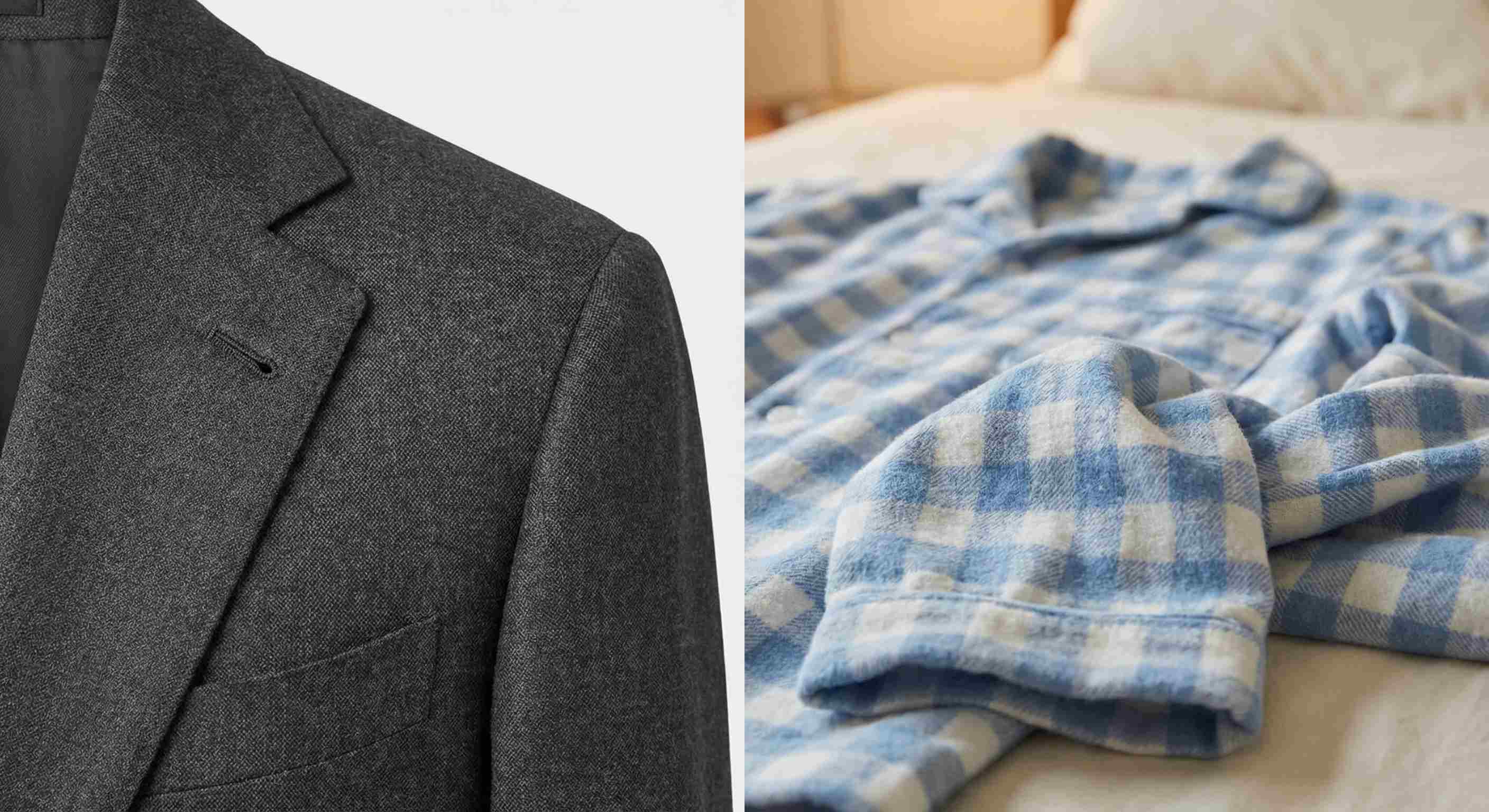
High-quality flannel fabric can be identified by its "loft" and weight.
Testing the "loft" and density
A premium flannel fabric should feel dense and substantial. You can test this by checking the fabric density. If you hold the fabric up to the light and see significant gaps in the weave, it is likely a low-quality "flannelette." High-quality woven flannel fabric should have a tight weave and a consistent, plush nap on at least one side.
Checking the label: What percentages of blends should you look for?
Always read the fiber content label. While polyester blends can add durability, a high-quality "performance" flannel should still contain at least 60-80% natural fibers (wool or cotton) to maintain breathability. If the flannel fabric is 100% synthetic, it may trap odors and lack the moisture-wicking properties of natural alternatives.
Care Instructions Based on Fiber Type
The lifespan of your flannel fabric depends heavily on how you treat the specific fibers it is made of.
Wool Flannel: Generally requires dry cleaning or a very gentle hand wash in cold water to prevent massive shrinkage.
Cotton Flannel: Can be machine-washed, but should be kept away from high heat. Heat causes the fibers to tighten and the nap to flatten over time.
Synthetic Blends: These are the most resilient to washing but are prone to long-term pilling. Using a fabric softener can help maintain the softness factor of synthetic fibers.
Conclusion: Why Material Knowledge Matters for Flannel Buyers
Understanding what flannel fabric is made of empowers you to make better purchasing decisions. From the traditional warmth of sheep's wool to the modern convenience of recycled polyester and the eco-friendliness of cellulose fibers, the materials define the performance. By paying attention to the carded yarn quality, the fabric density, and the specific textile blending used, you can ensure that your flannel fabric for clothing or home decor provides the perfect balance of comfort and longevity. Flannel fabric remains a timeless choice because it continues to adapt, proving that the right blend of raw materials can turn a simple weave into the ultimate winter essential.